by
by You’ve seen the word somewhere — in a furniture article, a design blog, maybe a search result — and it stopped you cold. It looks architectural. Maybe Nordic. Possibly a brand.
It’s none of those things. Jernsenger is simply the Norwegian word for iron beds. Jern = iron. Senger = beds.
Jernsenger
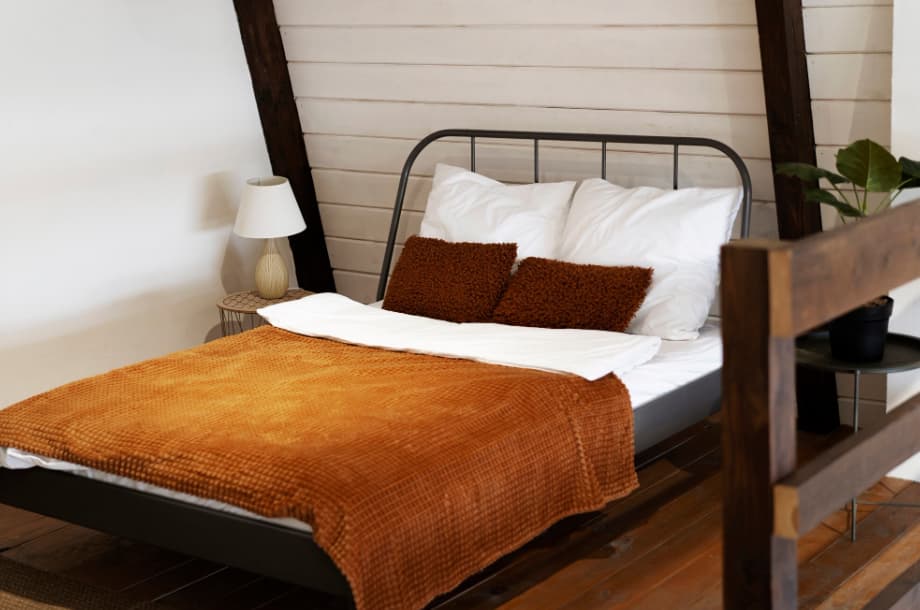
Once you know that, everything else about the term makes sense — and it turns out the furniture itself has a genuinely interesting story, along with a strong practical case for choosing one today.
Where the Word Comes From?
Scandinavian design has long valued furniture that earns its place: durable, functional, and visually restrained.
Iron beds fit that philosophy closely, which is why the term jernsenger carries more weight than a plain translation suggests.
The word also appears in a secondary, more abstract sense.
Some contemporary writers use it as a metaphor for structured, resilient thinking or communication — emphasizing stability over trends.
That usage is newer and loosely defined. For most practical searches, the furniture meaning is the right one to start with.
The History Behind Iron Beds
Wood dominated bedroom furniture for centuries. It was widely available, easy to work with, and familiar to craftsmen.
It was also problematic in ways that became harder to ignore as cities grew denser: wooden frames warped with humidity, cracked under sustained use, harbored insects, and couldn’t be cleaned thoroughly.
Iron addressed all of that. Smooth metal surfaces could be wiped down and disinfected.
Hospitals and boarding houses adopted iron beds early, partly for practical hygiene reasons and partly because a metal frame held up under heavy, continuous use.
Domestic households followed, with Scandinavian homes embracing the jernsenger in the 19th century — a period when both industrial metalworking and awareness of household hygiene were advancing together.
What changed the furniture’s character was scale. As the Industrial Revolution lowered production costs, iron beds moved from institutions into ordinary homes.
Manufacturers, now building for a broader market, began adding decorative detail: curved headboards, scrollwork, floral motifs, hand-forged flourishes.
The result was a bed frame that was both highly practical and genuinely beautiful — and durable enough to become a household heirloom passed through generations.
Why Iron Beds Still Make Sense?
The argument for a jernsenger today isn’t nostalgia. It’s a set of concrete advantages that other materials don’t easily replicate.
- They last. Iron doesn’t warp, crack, or soften over time. A well-made frame with basic maintenance can last decades. Some antique pieces remain structurally sound after more than a century of use. For buyers thinking in 15- or 20-year terms rather than 3- to 5-year replacement cycles, that durability changes the value calculation entirely.
- They’re easy to keep clean. Metal surfaces don’t trap dust mites, pet dander, or allergens the way upholstered or wooden frames can. For anyone managing indoor allergies, that’s a meaningful practical advantage — not a marketing claim.
- They’re sustainable. Iron is one of the most recyclable materials available. A frame that lasts decades and can be recycled or resold at the end of its life looks very different from flat-pack furniture that ends up in landfill after a few years.
- They work across styles. A matte black minimalist frame disappears into a Scandinavian-influenced bedroom. An ornate Victorian jernsenger anchors a room full of warm textiles and soft lighting. Industrial raw-steel designs hold their own in urban loft spaces. Few bed types cover that range without looking forced.
The Honest Drawbacks
- Noise. By far the most common complaint. When bolts loosen at frame joints over time, movement becomes audible. This is preventable — tighten the bolts during assembly and check them occasionally — but frames with poorly made connections will develop the problem faster regardless of how well they’re maintained.
- Rust. Not a serious risk under normal indoor conditions, thanks to modern powder-coated finishes. It becomes a real concern in coastal or high-humidity environments. An annual light application of protective wax or sealant, combined with dry cleaning, handles it in most cases.
- Weight. Antique wrought iron frames can be genuinely heavy. Most modern versions use steel alloys and are far easier to move, but if you’re looking at vintage pieces, factor in the logistics.
- Quality variation. The price range for iron beds is wide, and the difference in construction between a cheap frame and a well-made one is significant. A budget frame may develop joint problems within a few years. A quality frame won’t.
The Styles Worth Knowing
- Victorian. Ornate headboards with scrollwork and curved detail. The most historically recognizable style, suited to period or vintage-influenced interiors.
- Minimalist. Clean lines, simple geometry, neutral finishes. Works well in Scandinavian and contemporary bedrooms where the frame shouldn’t compete with the rest of the room.
- Industrial. Dark finishes, bold proportions, raw metal aesthetic. A natural fit for loft apartments and urban spaces with exposed materials.
- Canopy. Vertical posts at each corner that allow curtains or draped fabric overhead. More theatrical, still structurally sound.
- Foldable. Lightweight, designed to disassemble quickly. Practical for guest rooms or small apartments where storage and flexibility matter.
- Restored vintage. Available through antique dealers and specialist sellers. Carries historical character alongside practical function, often refinished to suit contemporary rooms.
Five Things to Check Before You Buy
- Joint quality first. Tight, smooth welds and properly fitted bolts are the clearest indicator of a well-made frame. Rough or loose connections at junctions mean noise and instability are coming.
- Verify dimensions. Manufacturers vary, and vintage pieces sometimes use older size conventions that don’t align with modern mattresses. Measure before ordering.
- Choose powder coat. More durable than standard paint. Check for even, smooth coverage — especially at corners and joints, where wear begins earliest.
- Tighten bolts on assembly. And check them every few months. This single habit is the most common reason people dislike their iron bed.
- Account for your climate. Humid or coastal rooms need rust prevention from the start. Dry environments need far less attention.
FAQs
- What does jernsenger mean?
The Norwegian word for iron beds. Jern means iron, senger means beds. It refers to bed frames made from iron or iron-alloy metal, and is also used occasionally as a metaphor for durable, structured design thinking.
- Is a jernsenger comfortable?
Comfort comes from the mattress, not the frame. Iron beds provide stable, even support — what you sleep on determines the experience.
- Do iron beds rust?
Not easily under normal indoor conditions. Modern powder-coated finishes resist rust effectively. High-humidity environments need periodic protective treatment, but it’s straightforward maintenance.
- Why does my iron bed squeak?
Loose bolts at the frame joints. Tighten all connection points on the assembly and check them occasionally. Frames with poor-quality joints are more prone to this regardless of maintenance.
- Which style suits a modern bedroom?
Minimalist and industrial designs both work well in contemporary spaces. Matte black or brushed steel finishes pair naturally with neutral palettes, Scandinavian interiors, and urban aesthetics.
Conclusion:
A jernsenger is an iron bed with real history and a genuine case for relevance today.
Durable, low-maintenance, allergy-friendly, and available in styles that span Victorian ornament to stark industrial minimalism — the furniture category covers more ground than its old-fashioned reputation suggests.
The drawbacks are manageable if you know them going in: watch the joint quality, stay ahead of rust in humid climates, and don’t expect a cheap frame to perform like an expensive one.
Buy for the long term, inspect before you commit, and the frame will likely outlast most of the other furniture in the room.